The Importance of Relaxation in Daily Life
In the fast-paced world we live in, finding moments of tranquility can be a challenge. However, relaxation is not just a luxury; it’s a necessity for maintaining both mental and physical well-being. Incorporating relaxation techniques into your daily routine can significantly improve your quality of life, enhance productivity, and foster better relationships. Creating a serene environment at home is the first step towards achieving this balance.
Designing Your Relaxation Space
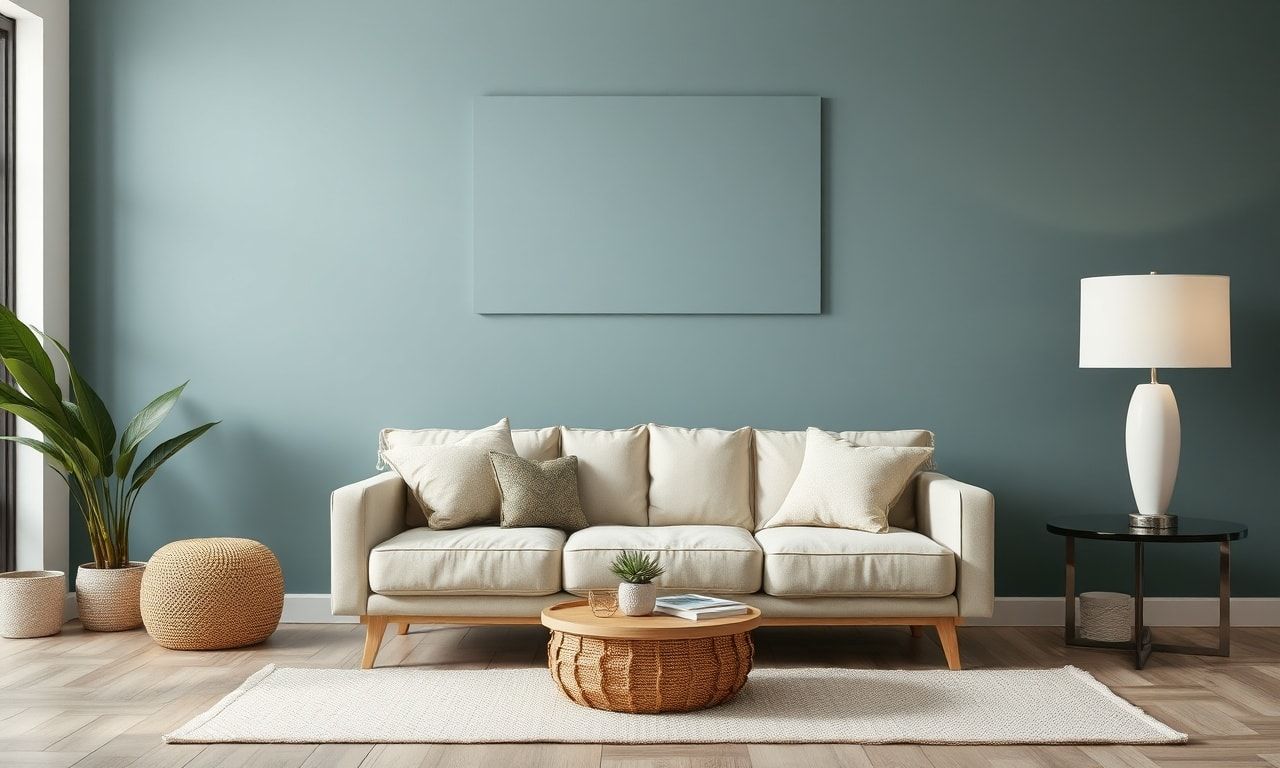
Your home should be a sanctuary where you can unwind and recharge. Start by identifying a space that can be dedicated to relaxation. It doesn’t have to be large; even a small corner can be transformed into a peaceful retreat. Consider factors like natural light, ventilation, and noise levels. Soft lighting, comfortable seating, and soothing colors can create a calming atmosphere. Adding elements like plants, candles, or a small fountain can further enhance the ambiance.
Incorporating Relaxation Techniques
Once you have your space set up, it’s time to incorporate relaxation techniques. Meditation and deep breathing exercises are excellent ways to calm the mind and reduce stress. Yoga and stretching can help release physical tension. If you’re looking for a more hands-on approach, consider exploring massage techniques. Massage can be incredibly beneficial for both the body and the mind. Whether you prefer a professional massage or a self-massage, the benefits are undeniable. For those interested in self-massage, exploring tools like those found in the top 5 asian massage tools for relaxation can be a great starting point.
Meditation and Mindfulness
Meditation is a powerful tool for relaxation. It involves focusing your mind on a particular object, thought, or activity to achieve a state of calm and clarity. Mindfulness meditation, for example, encourages you to focus on your breath and observe your thoughts without judgment. Regular practice can help reduce anxiety, improve concentration, and enhance emotional well-being. There are numerous apps and online resources available to guide you through meditation sessions, making it accessible for beginners and experienced practitioners alike.
Yoga and Stretching
Yoga is another excellent way to relax and rejuvenate. It combines physical postures, breathing techniques, and meditation to promote relaxation and overall health. Even a few minutes of yoga each day can help alleviate stress, improve flexibility, and enhance mood. If yoga isn’t your thing, simple stretching exercises can also be beneficial. Stretching helps release muscle tension and improve circulation, leaving you feeling refreshed and relaxed.
Creating a Relaxation Routine
Consistency is key when it comes to relaxation. Establishing a daily routine that includes relaxation techniques can help you make the most of your tranquil space. Start by setting aside a specific time each day for relaxation. This could be in the morning, during a lunch break, or in the evening before bed. Experiment with different techniques to find what works best for you. Remember, relaxation is a personal journey, and what works for one person may not work for another.
Evening Relaxation Rituals
Evening relaxation rituals can be particularly beneficial for preparing your body and mind for a restful night’s sleep. Consider activities like reading a book, taking a warm bath, or listening to calming music. Avoiding screens and stimulating activities before bed can also help improve sleep quality. Creating a peaceful bedtime routine can make a significant difference in how well you sleep and how refreshed you feel in the morning.
Maintaining a Relaxed Lifestyle
Relaxation should not be confined to a specific time or place. Incorporating relaxation techniques into your daily life can help you maintain a balanced and peaceful mindset. Practice mindfulness throughout the day by being present in the moment. Take breaks to stretch, breathe deeply, and clear your mind. Engage in activities that bring you joy and help you unwind, whether it’s spending time in nature, pursuing a hobby, or connecting with loved ones.
The Role of Nutrition and Hydration
Nutrition and hydration play a crucial role in overall well-being and relaxation. Eating a balanced diet rich in fruits, vegetables, lean proteins, and whole grains can provide the energy and nutrients your body needs to function optimally. Staying hydrated is also essential for maintaining energy levels and promoting relaxation. Avoid excessive caffeine and alcohol, as they can disrupt sleep and increase anxiety.
The Importance of Social Connections
Social connections are vital for emotional well-being. Spending time with friends and family can provide a sense of belonging and support. Engage in activities that bring you closer to your loved ones, whether it’s sharing a meal, going for a walk, or simply having a meaningful conversation. Strong social connections can help reduce stress and enhance overall happiness.
Creating a tranquil sanctuary at home and incorporating relaxation techniques into your daily routine can significantly improve your quality of life. By designing a peaceful space, exploring various relaxation methods, and maintaining a balanced lifestyle, you can achieve a greater sense of calm and well-being. Remember, relaxation is a personal journey, and finding what works best for you is key. Embrace the art of relaxation and enjoy the benefits it brings to your life.
In the hustle and bustle of daily life, it’s essential to carve out time for yourself; discover practical tips in prioritizing self-care effectively to enhance your overall well-being.
Discover how local efforts are making a difference in our communities with Liverpool’s inspiring community projects, fostering education and collaboration for a better daily life.
For a deeper understanding of this topic, Evde Mutluluk Bulmak: Günlük Yaşamınızı Nasıl offers valuable insights worth exploring.