The Importance of Balance in Modern Life
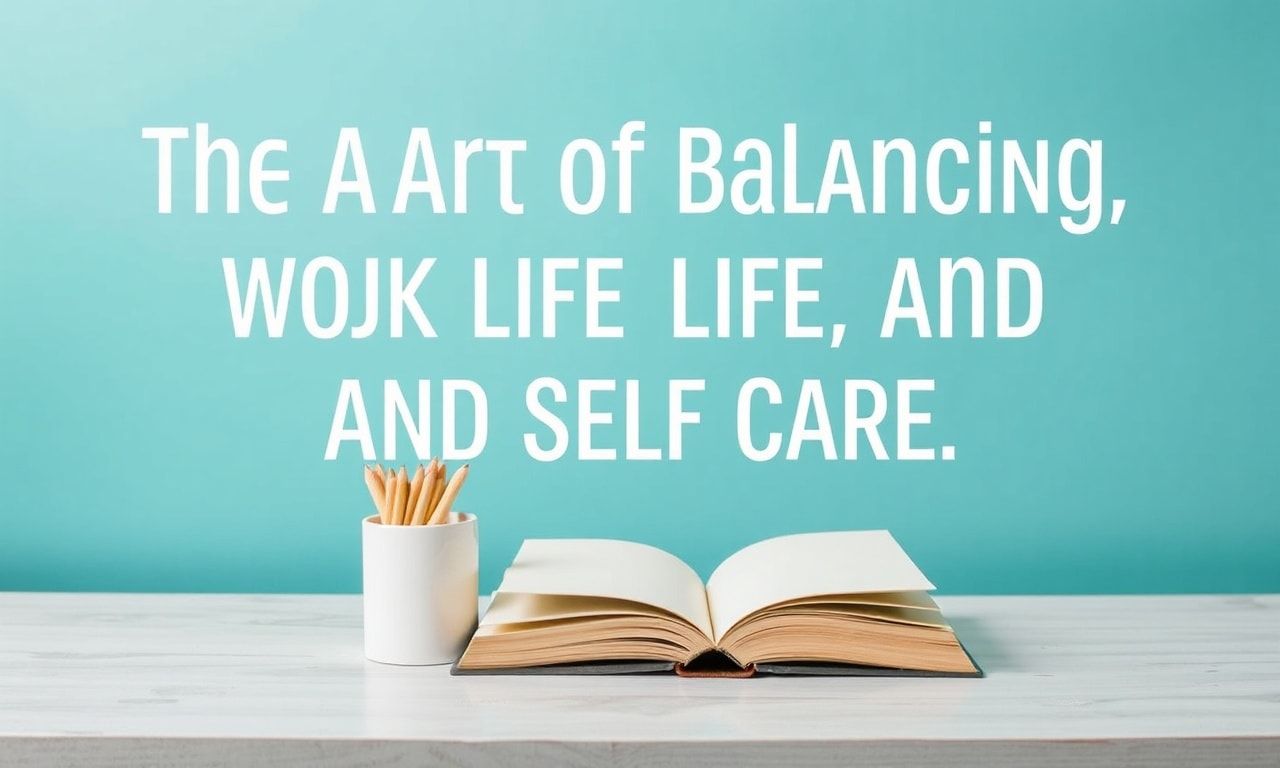
In today’s fast-paced world, maintaining a balance between work, personal life, and self-care can often feel like a daunting task. The constant demands of professional life, coupled with the need to nurture personal relationships and invest in self-improvement, can leave many feeling overwhelmed and stretched thin. However, achieving this balance is not only possible but essential for overall well-being and happiness.
Balancing these aspects of life can lead to increased productivity, improved mental health, and stronger relationships. It’s about creating a harmonious blend where each area of your life complements the others, rather than competing for your attention and energy. This article will explore various strategies and tips to help you achieve a more balanced and fulfilling lifestyle.
Prioritizing Self-Care
Self-care is often the first thing to be neglected when life gets busy. However, it is a crucial component of a balanced life. Self-care encompasses a wide range of activities, from physical exercise to mental relaxation techniques. Engaging in regular physical activity, for instance, not only improves your physical health but also boosts your mood and energy levels.
Incorporating a sports injury prevention guide into your fitness routine can help you stay active and injury-free, ensuring that you can consistently dedicate time to your well-being. Additionally, practices such as meditation, journaling, and spending time in nature can significantly reduce stress and enhance your overall sense of well-being.
Creating a Self-Care Routine
To make self-care a consistent part of your life, it’s helpful to create a routine. This could include setting aside specific times each day for activities that nourish your body, mind, and soul. For example, you might start your day with a morning walk, followed by a few minutes of meditation. In the evening, you could unwind with a relaxing bath or read a book before bed.
Remember, self-care is highly personal, so tailor your routine to activities that bring you joy and relaxation. It’s also important to be flexible and adapt your routine as needed to accommodate changes in your schedule or priorities.
Managing Work-Life Balance
Achieving a healthy work-life balance is crucial for preventing burnout and maintaining overall happiness. One effective strategy is to set clear boundaries between work and personal time. This might involve establishing specific work hours and sticking to them, or creating a dedicated workspace that you can physically and mentally separate from your personal life.
Communication is also key. If you feel overwhelmed at work, don’t hesitate to discuss your concerns with your supervisor or colleagues. They may be able to provide support or help you manage your workload more effectively. Additionally, learning to delegate tasks and prioritize your responsibilities can help you focus on what truly matters.
Time Management Techniques
Effective time management is another essential component of work-life balance. Techniques such as the Pomodoro Technique, where you work in focused bursts with regular breaks, can help you stay productive without feeling overwhelmed. Prioritizing tasks based on their importance and urgency can also help you make the most of your time.
It’s also important to schedule time for personal activities and relationships. Treat these commitments with the same importance as your work obligations. By doing so, you can ensure that you’re dedicating time to all aspects of your life, rather than letting work consume your entire schedule.
Nurturing Relationships
Strong, healthy relationships are a vital part of a balanced life. Whether it’s with family, friends, or a significant other, these connections provide emotional support, companionship, and a sense of belonging. To nurture these relationships, it’s important to invest time and effort into them.
Regular communication is key. Make an effort to stay in touch with loved ones, whether through phone calls, text messages, or in-person visits. Quality time spent together can strengthen your bond and create lasting memories. Additionally, being present and engaged during these interactions can show your loved ones that you value and appreciate them.
Conflict Resolution
Conflict is a natural part of any relationship, but how you handle it can make a significant difference. Effective communication, active listening, and empathy are essential skills for resolving conflicts in a healthy and constructive manner. By addressing issues openly and honestly, you can strengthen your relationships and build trust.
Remember, it’s also important to practice self-compassion and forgiveness. Everyone makes mistakes, and holding onto grudges can harm your relationships and overall well-being. By letting go of past hurts and focusing on the present, you can cultivate healthier and more fulfilling connections.
Continuous Self-Improvement
Self-improvement is an ongoing journey that can enrich your life in countless ways. Whether it’s learning a new skill, pursuing a hobby, or working on personal development, investing in yourself can lead to greater happiness and fulfillment. Setting realistic goals and creating a plan to achieve them can help you stay motivated and on track.
It’s also important to celebrate your progress and achievements, no matter how small. Acknowledging your efforts and accomplishments can boost your confidence and self-esteem, encouraging you to continue your self-improvement journey. Additionally, seeking feedback from others can provide valuable insights and help you identify areas for growth.
Embracing Lifelong Learning
Lifelong learning is a powerful tool for self-improvement. Engaging in educational activities, such as reading, attending workshops, or taking online courses, can expand your knowledge and skills. This not only enhances your personal growth but also opens up new opportunities for career advancement and personal fulfillment.
Embracing a growth mindset can also help you approach challenges with curiosity and resilience. By viewing obstacles as opportunities for learning and growth, you can cultivate a more positive and proactive attitude towards self-improvement. Remember, it’s never too late to learn something new or pursue a passion.
If you’re looking to enhance your daily life and relationships, consider exploring mindful choices for a better life, a comprehensive guide to making conscious decisions in your everyday routines.
If you’ve been curious about intermittent fasting and its impact on daily life, you’ll find a personal journey worth exploring in our latest feature.