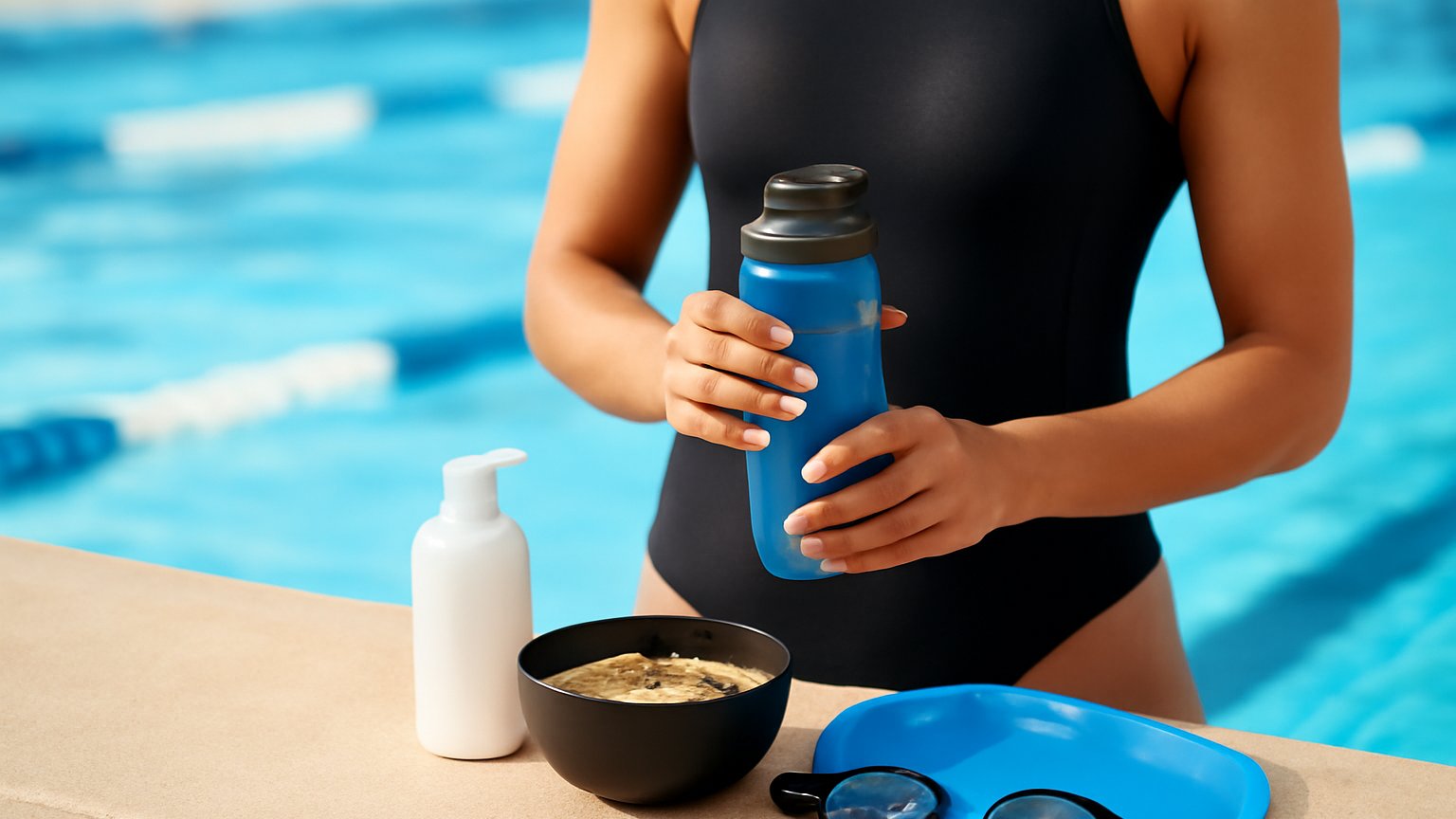
Imagine hitting the pool, goggles on, heart pounding, only to find your energy fading halfway through your set. It’s a familiar frustration for many swimmers, from weekend warriors to seasoned competitors—feeling like the body just won’t cooperate. Yet, the secret to unlocking peak performance often isn’t just technique or training hours; it’s what fuels the machine before, during, and after those laps. Nutrition plays a starring role in transforming swim sessions from a struggle to a triumph.
Swimmers have unique dietary needs that, when met properly, can sharpen energy bursts and accelerate recovery, leaving the muscles ready for the next challenge. But figuring out exactly what to eat, when to eat it, and how to maintain hydration can be perplexing—especially amid the flood of conflicting advice online. This is where expert guidance becomes invaluable, offering clarity and practical tips that sync with an active lifestyle. Those curious about the best nutrition tips for swimmers will find methods backed by science and experience, tailored for real-life application.
The journey to better swim performance is more than just food—it’s about timing, hydration, recovery habits, and lifestyle adjustments that work together seamlessly. Ahead, readers will discover actionable insights to fuel every stroke and support each recovery phase, making every swim a step closer to personal excellence.
Dive Into Nutrition: What Every Swimmer Should Fuel Up On
Swimmers often underestimate just how much nutrition impacts their performance and recovery. The body’s demand for fuel is high when training in water — energy burns faster, and muscles need nutrients not just to perform but to repair afterward. Carbohydrates stand out as the swimmer’s primary energy source, providing the quick bursts required for sprints and sustained endurance alike. Whole grains, fruits, and vegetables aren’t just health buzzwords; they’re practical fuel that helps maintain stamina. Protein comes next, essential for muscle repair and growth, especially after those grueling laps that leave limbs trembling.
Hydration isn’t just about gulping water sporadically; swimmers lose fluids even without feeling as thirsty due to the cooling effect of water masking sweat loss. Electrolytes like sodium, potassium, and magnesium play subtle but vital roles in muscle function and preventing cramps, so incorporating electrolyte-rich foods or drinks around workouts is smart. In the broader lifestyle context, balancing timing and type of nutrition is key. Eating a balanced meal one to two hours before hitting the pool equips the body properly, while post-swim meals rich in carbs and protein help replenish glycogen stores and rebuild muscle fibers. For those chasing incremental improvements, understanding these fundamentals of nutrition offers a tangible edge. For deeper insights, check out the best nutrition tips for swimmers to elevate both daily training and recovery routines.
Timing Is Everything: When to Eat for Maximum Swim Energy
Eating at the right time can make all the difference between powering through a swim training session and feeling sluggish in the pool. Swimmers need to fuel their bodies with easily digestible carbohydrates about 1.5 to 3 hours before diving in. This timing allows the body to convert food into usable energy, avoiding any mid-swim energy crashes. For instance, a bowl of oatmeal with banana slices or a peanut butter sandwich on whole wheat bread can provide sustained energy without weighing down the stomach.
Post-swim nutrition is just as important. Within 30 to 60 minutes of finishing a session, swimmers should aim to replenish glycogen stores and support muscle recovery with a mix of carbohydrates and protein. Think a smoothie with Greek yogurt and berries or a turkey sandwich. Timing the meal this way not only speeds up recovery but also prepares the body for the next training session. Mastering when to eat, more than just what to eat, is a key step in unlocking peak swim performance—a strategy every swimmer should add to their routine. For those eager to dig deeper, exploring the best nutrition tips for swimmers can provide a helpful roadmap to optimal fueling.
Hydration Hacks: Staying Ahead of Dehydration in the Pool
Hydration is often overlooked in swim training, yet it’s a vital pillar for maintaining energy and aiding recovery. Despite being surrounded by water, swimmers can easily become dehydrated — the pool’s cool environment masks the sweat lost during intense sessions. Staying ahead of dehydration means drinking fluids not just after a workout but throughout the day, including hydrating before entering the pool. Electrolyte balance matters too; water alone won’t replace the salts lost, so including drinks with sodium and potassium can help maintain muscle function and prevent cramps.
For athletes looking to sharpen their hydration game alongside their diet, resources like best nutrition tips for swimmers provide practical insights that complement proper fluid intake. Pairing hydration strategies with nutrient-dense meals supports endurance and recovery, ensuring swimmers bounce back faster and perform stronger. Incorporate a routine that prioritizes consistent sipping rather than chugging, since slow and steady rehydration aids absorption and reduces gastrointestinal discomfort during exercise.
- Step 1: Start your day with a glass of water to kickstart hydration.
- Step 2: Sip water during warm-ups and breaks rather than waiting until after training.
- Step 3: Incorporate electrolyte-rich drinks for sessions lasting longer than an hour.
- Step 4: Rehydrate post-swim with fluids and nutrient-rich snacks to replenish lost minerals and energy.
Ultimately, consistent hydration tailored to swimming’s unique demands supports stamina and speeds recovery. Swimmers benefit by thinking of hydration as an ongoing, integral practice rather than an afterthought, helping them stay fluid-fueled for every lap and every challenge.
Recovery Rituals: Foods and Habits That Speed Muscle Repair
Recovering effectively after a swim session is just as important as the training itself. Muscle repair hinges on fueling the body with the right nutrients at the right time. Protein tops the list—it’s essential for rebuilding torn muscle fibers, but pairing it with carbohydrates enhances glycogen replenishment, getting swimmers ready for their next lap. Simple, real-food options like Greek yogurt with berries or a turkey sandwich on whole-grain bread work wonders. Hydration plays a vital role too; replenishing fluids and electrolytes lost through sweat aids recovery and prevents cramping.
Experts now emphasize personalized recovery plans tailored to individual needs, drawing from emerging research on nutrition timing and composition. For those keen on optimizing their post-swim nutrition, exploring best nutrition tips for swimmers shared by modern athletes offers valuable insights into how diet can be strategically adjusted. Beyond food, habits like gentle stretching, foam rolling, and prioritizing quality sleep fast-track repair and reduce soreness—these rituals promote improved circulation and muscle relaxation that no smoothie alone can achieve.
Maintaining these food choices and routines daily can transform how the body heals. Swimmers who listen to their recovery cues—balancing nutrition with rest—often find themselves stronger and less prone to injury. In a world of quick fixes, these simple yet consistent recovery rituals prove to be the secret weapon behind endurance and sustained performance.
Beyond the Plate: Lifestyle Tweaks to Elevate Your Swim Performance
Swimmers often focus on diet and training, but lifestyle choices beyond the pool and plate can significantly elevate swim performance. Prioritizing quality sleep, for instance, is essential. During those hours of rest, the body repairs muscles, consolidates memory for technique, and restores energy levels. A consistent sleep schedule, ideally 7-9 hours nightly, helps unlock that full recovery potential. Additionally, managing stress through mindfulness practices or gentle stretching can enhance focus during training sessions and races alike.
Hydration isn’t just about gulping water before and after swimming; it’s about maintaining steady fluid balance throughout the day. Electrolyte management, especially after long or intense swims, supports muscle function and prevents cramps. Alongside nutrition tweaks like those suggested in the best nutrition tips for swimmers article, these small changes compound into major performance dividends.
Another lifestyle tweak worth exploring involves mental conditioning; visualization techniques and goal-setting rituals can sharpen competitive edge and cultivate resilience. Even rearranging daily routines to minimize sedentary periods outside the pool — such as taking short walks or practicing mobility exercises — supports circulation and muscle readiness. These holistic lifestyle adjustments work hand-in-hand with nutrition and training to elevate every swimmer’s capabilities.
Ultimately, optimizing swim performance means embracing a balance: fueling the body smartly, recovering fully, and living intentionally. When these factors align, swimmers move not only faster through water but smoother through life’s demands. For those committed to progress, integrating these lifestyle changes is as vital as refining stroke technique or selecting the right gear.
Fueling the Swim Journey
Every stroke in the pool demands energy, focus, and resilience—elements tightly woven with what and when swimmers choose to fuel their bodies. Nutrition tailored to the unique needs of swimming isn’t just about eating healthy; it’s about timing meals to align with workout intensity, staying hydrated beyond thirst signals, and embracing recovery foods that mend muscles to prepare for the next challenge. But it doesn’t stop at the plate—small lifestyle adjustments, from quality sleep to stress management, amplify performance in subtle yet powerful ways. This holistic approach transforms nutrition from mere sustenance into a strategic advantage. Swimmers seeking an edge should tune into their individual rhythms, experiment with these best nutrition tips for swimmers, and listen closely to how their bodies respond. After all, the pool doesn’t reveal its secrets easily—could the key to your next personal best lie in the choices made long before the first dive?
Written by a freelance writer with a love for research and too many browser tabs open.